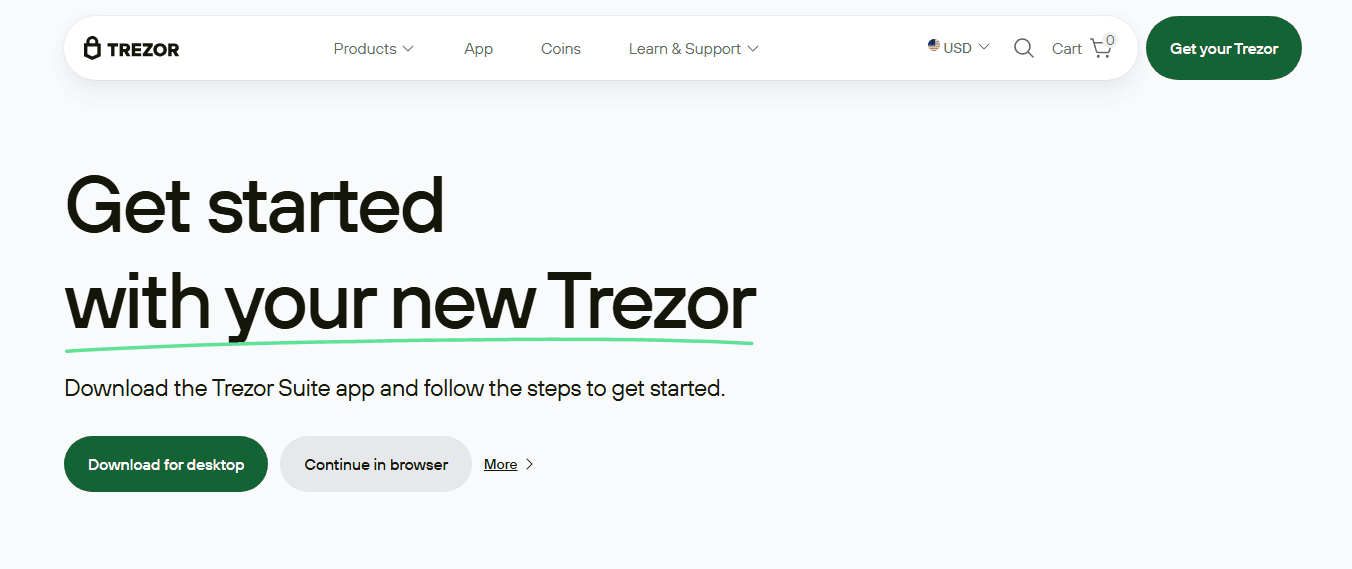
Trezor.io/Start: The Ultimate Guide to Setting Up and Using Your Trezor Wallet
In the world of cryptocurrency, securing your digital assets is just as important as acquiring them. Whether you are new to Bitcoin, Ethereum, or any other cryptocurrency, using a hardware wallet is one of the safest ways to protect your funds. Trezor is one of the leading hardware wallets designed to keep your cryptocurrencies safe from hacks, malware, and phishing attacks. This guide will take you step by step through everything you need to know about getting started with Trezor, available at Trezor.io/start.
1. What is Trezor?
Trezor is a small, USB-like hardware device designed to securely store your private keys offline. Private keys are what allow you to access and manage your cryptocurrency holdings. Keeping them offline, known as cold storage, ensures that hackers cannot reach them via the internet.
Trezor was created by SatoshiLabs, a Czech company, and has been on the market since 2014. Its primary purpose is to provide a secure environment for storing, sending, and receiving cryptocurrencies.
Key Features of Trezor Wallet:
Offline Private Key Storage: Your keys never leave the device.
User-Friendly Interface: Trezor Suite, the companion software, is intuitive for beginners.
Wide Cryptocurrency Support: Bitcoin, Ethereum, Litecoin, and thousands of other coins.
Backup and Recovery Options: Restore your wallet using a recovery seed.
Secure Transactions: Transactions are signed inside the device itself, ensuring no malware can tamper with them.
2. Choosing the Right Trezor Device
Trezor offers multiple models to fit different user needs:
Trezor Model One
The original Trezor device.
Supports over 1,000 cryptocurrencies.
Affordable and reliable.
Perfect for beginners.
Trezor Model T
Advanced version with a touch screen.
Supports more coins and future firmware updates.
Offers enhanced security features like passphrase entry directly on the device.
Tip: If you are serious about crypto security and plan to manage multiple cryptocurrencies, Trezor Model T is recommended. For casual use, Trezor Model One is sufficient.
3. Getting Started: Unboxing and Initial Setup
Once you receive your Trezor, you should first inspect the packaging for tamper-evidence seals. Trezor devices come with tamper-proof seals to ensure the device has not been modified before reaching you.
Step 1: Connect Your Trezor to a Computer
Use the USB cable provided to connect your Trezor to a computer.
Open a web browser and go to Trezor.io/start.
The website will detect your Trezor device and prompt you to download Trezor Suite, the official companion software.
Step 2: Install Trezor Suite
Trezor Suite is available for Windows, macOS, Linux, and even mobile platforms.
Follow the on-screen instructions to install the software.
Once installed, open Trezor Suite and click “Initialize Trezor”.
4. Initializing Your Trezor Wallet
There are two main options when setting up your wallet:
Create a New Wallet
Recommended for new users.
Trezor will generate a 12, 18, or 24-word recovery seed.
Write the recovery seed on the provided recovery card or a secure medium.
Never take a screenshot or store your seed digitally.
Recover an Existing Wallet
If you have a recovery seed from another Trezor or compatible wallet, you can restore your funds.
Enter the recovery seed on the device, not on your computer.
Important: Your recovery seed is the only way to restore your wallet if the Trezor device is lost, stolen, or damaged. Keep it safe and offline.
5. Setting a PIN
Once your wallet is initialized, Trezor will prompt you to set a PIN for additional security.
Steps to Set a PIN:
The device will display a scrambled number grid.
Enter the PIN using Trezor Suite or the device touchscreen (Trezor Model T).
The scrambled layout prevents malware on your computer from learning your PIN.
6. Navigating Trezor Suite
Trezor Suite is the central hub for managing your cryptocurrencies. Here’s what you can do:
Dashboard Overview
Shows all your cryptocurrency balances.
Provides a portfolio view.
Displays recent transactions.
Sending and Receiving Funds
To Receive: Select a cryptocurrency, generate a receiving address, and share it with the sender.
To Send: Enter the recipient’s address, amount, and confirm the transaction on your Trezor device. Transactions are signed offline, ensuring security.
Exchange and Swap
Trezor Suite integrates with exchange services.
You can swap between supported cryptocurrencies without exposing private keys.
Backup and Security Check
Check device integrity.
Verify that your firmware is up-to-date.
Conduct regular security checks to ensure the device hasn’t been compromised.
7. Advanced Security Features
Trezor devices offer several advanced security layers:
Passphrase Protection
You can add an additional word (passphrase) to your recovery seed.
Each passphrase creates a separate hidden wallet.
Firmware Updates
Always update firmware from Trezor Suite.
Updates patch security vulnerabilities and improve device performance.
Multisignature Support
For professional users, Trezor supports multisig wallets.
Requires multiple devices to approve a transaction.
8. Recovery and Backup
The recovery seed is your lifeline. If your device is lost or damaged, you can:
Use the recovery seed to restore funds on a new Trezor device.
Enter the seed offline to avoid exposing it to hackers.
Store the seed in a fireproof, waterproof location.
Pro Tip: Consider using a metal recovery plate for maximum protection against fire, water, and physical damage.
9. Best Practices for Using Trezor Safely
Always buy from official channels: Trezor.io or authorized resellers.
Never share your recovery seed with anyone.
Use strong, unique passphrases.
Keep your device firmware up-to-date.
Verify all addresses on the device screen before confirming transactions.
Store recovery seeds offline, away from digital storage.
10. Troubleshooting Common Issues
Device Not Detected
Check USB connection and cable.
Ensure Trezor Suite is installed.
Restart the computer and reconnect the device.
Forgot PIN
Use your recovery seed to reset the wallet.
Set a new PIN during the recovery process.
Firmware Update Failure
Retry using a different USB port.
Ensure the computer is connected to a stable internet connection.
Follow instructions carefully on Trezor Suite.
11. Why Choose Trezor?
Unmatched Security: Private keys never leave the device.
Ease of Use: Beginner-friendly interface.
Reputation and Longevity: Trusted since 2014.
Comprehensive Support: Active documentation and community.
Wide Compatibility: Supports thousands of cryptocurrencies.
12. Conclusion
Using a hardware wallet like Trezor is the most reliable way to secure your cryptocurrencies. By following the steps outlined at Trezor.io/start, you can confidently set up, manage, and protect your digital assets. From initializing your device to performing secure transactions, Trezor provides the tools needed to take full control of your crypto journey. Remember, security starts with responsibility: safeguard your recovery seed, set strong PINs, and always verify transactions on your device. With Trezor, you are in full control of your crypto world.